

Planning a message for a specific group and seeing a completely different crowd respond can be both surprising and eye-opening. This is exactly what happens when the target audience vs actual audience don’t fully match.
The target audience is the group a business or creator intends to reach. The actual audience is the group that truly engages, buying products, following content, or interacting with a brand. Sometimes they overlap. Other times, the difference is so unexpected that it changes the entire approach to marketing.
Understanding the gap in the intended audience vs actual audience is more than a simple detail. It shapes how you communicate, what products you create, and how your brand grows. When both align, strategies work seamlessly. When they differ, the gap brings both challenges and opportunities to explore.
The sections ahead break down what each term means, how they compare, and practical ways to use both for stronger, more effective connections.
Target Audience
The target audience is the group a message, product, or service is specifically designed for. These are the people a brand studies, understands, and focuses on before launching a campaign. Details like age, location, interests, income level, and lifestyle all play a role in shaping who this audience is.
For example, a sports drink brand might aim for active teens and young adults who play competitive sports. They’ll design ads showing athletes on the field, use social media platforms popular with that age group, and even pick flavors that match their preferences. This is all built around reaching the right people with the right message.
Knowing the target audience helps avoid guesswork. It makes it easier to craft marketing that resonates, choose the right channels, and offer products that solve real problems. Without this focus, brands risk speaking to no one in particular, which can lead to missed opportunities and wasted resources.
Of course, even with all this planning, the audience that actually responds may not be the one originally in mind, and that’s where the other half of the target audience vs actual audience discussion comes in.
Planning is only half the story. The real twist happens when the people engaging with your brand aren’t exactly who you expected. That’s where the actual audience comes in.
Actual Audience
The actual audience is the group that truly engages with a brand, product, or message, regardless of who it was originally meant for. These are the people who buy the product, read the posts, share the videos, or recommend the service to friends.
Sometimes, the actual audience matches the target audience perfectly. Other times, it’s a surprise. A brand might design a product for college students but see a loyal following among parents or retirees instead. This can happen because of word-of-mouth, unexpected product benefits, or simply because the message appeals to a wider group than planned.
Understanding the actual audience is just as important as identifying the target audience. It reveals how the market really sees a brand, and it can uncover new opportunities. In the target audience vs actual audience conversation, this is where the reality check happens, where the intended plan meets the real-world response.
When a business knows exactly who its actual audience is, it can decide whether to adjust its approach, expand its reach, or keep the focus on the original group while catering to the newcomers.
Knowing each group on its own is useful, but the real insights come from putting them side by side. That’s where the differences and similarities stand out.
Comparing Target vs. Actual Audience
When looking at the target audience vs actual audience, it helps to see them side by side. The target audience is the group a brand plans for, while the actual audience is the group that truly engages. The intended audience vs actual audience may overlap, but the differences often reveal valuable insights for future strategies.
| Aspect | Target Audience | Actual Audience |
| Definition | The group a brand intends to reach with its message, product, or service. | The group that actually responds, buys, or engages with the brand. |
| Basis | Built through research, demographics, psychographics, and brand goals. | Shaped by real-world behavior, trends, word-of-mouth, and market reactions. |
| Examples | The same skincare line is gaining unexpected traction among men and older adults. | The same skincare line gis gaining unexpected traction among men and older adults. |
| Predictability | Planned, documented, and used as the basis for marketing strategies. | Can be unpredictable and sometimes completely different from the intended group. |
| Impact on Strategy | Guides initial product development, branding, and advertising campaigns. | Influences adjustments, new product ideas, or expanded audience segments. |
The target audience vs actual audience comparison makes it easier to spot alignment or gaps. A close match means the message is reaching the right people. A mismatch can reveal either a branding issue or a hidden opportunity to expand. In both cases, the insight gained from comparing the target audience vs actual audience leads to smarter marketing decisions.
Spotting the gaps in the intended audience vs actual audience is just the start. The real skill is knowing how to work with both groups so your strategy stays sharp and adaptable.
How to Use Both Successfully?
Understanding the target audience vs actual audience gives a brand a full picture of who it’s speaking to. The real advantage comes from putting this knowledge into action. By working with both groups in mind, it’s possible to keep the original vision intact while building stronger connections with the people who are actually engaging.
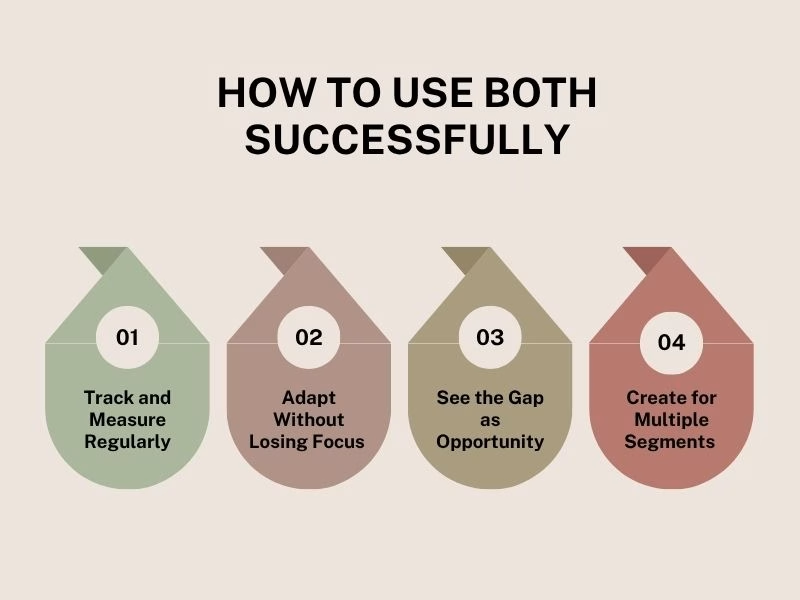
Track and Measure Regularly
Use analytics, surveys, and feedback to see who is interacting with your brand. Compare this real-world data to your target audience profile. This helps spot overlaps, gaps, and unexpected trends.
Adapt Without Losing Focus
When the actual audience includes unexpected groups, adjust part of your messaging to connect with them. Keep your brand voice consistent so your original audience still feels valued. This balance strengthens trust on both sides.
See the Gap as Opportunity
A difference between target audience and actual audience doesn’t always mean something went wrong. Often, it’s a sign of wider appeal. By acknowledging this, brands can explore new markets, refine products, and expand their reach.
Create for Multiple Segments
When resources allow, design separate campaigns for different audience segments. This approach lets you speak directly to each group without diluting the message.
Using both perspectives means you’re not only marketing to the crowd you planned for but also to the one that’s already paying attention. This dual approach helps keep strategies grounded in reality and open to growth.
Making the Gap Work for You
The target audience vs actual audience discussion isn’t just theory; it directly affects how a brand grows. When both are understood, marketing efforts are more focused, budgets go further, and messages land with more impact.
Ignoring the difference can lead to missed opportunities, wasted resources, and campaigns that don’t connect. On the other hand, thorough customer research opens the door to stronger engagement, better relationships, and even entirely new markets.
Recognizing and acting on the gap between the target audience vs actual audience can turn a good marketing strategy into a great one.
Conclusion
The difference between the target audience vs actual audience is more than a marketing detail; it’s a guide to making smarter, more effective choices. The target audience shapes the plan. The actual audience shows the reality. Together, they create a complete picture.
When both groups align, strategies flow smoothly. When they don’t, the gap can reveal valuable opportunities. Instead of seeing that difference as a problem, it can be the spark for new ideas, fresh campaigns, and stronger relationships with customers.
Brands that focus on the intended audience vs actual audience have a clear advantage. They stay true to their vision while adapting to the market’s reality. In the end, success comes from speaking to the audience you planned for while welcoming the one that actually arrives.
FAQs
1. What is the difference between target audience and actual audience?
The target audience is who a brand aims to reach, while the actual audience is who engages in reality.
2. Why is there often a gap between target and actual audience?
Because audience behavior, interests, or demographics may differ from initial assumptions.
3. How can brands identify their actual audience?
By analyzing analytics, customer feedback, and social media insights.
4. What strategies help align target and actual audiences?
Refining personas, adjusting messaging, and testing content approaches.
5. Can bridging this gap improve marketing results?
Yes, it leads to better engagement, higher conversions, and stronger brand loyalty.



Leave a Comment