
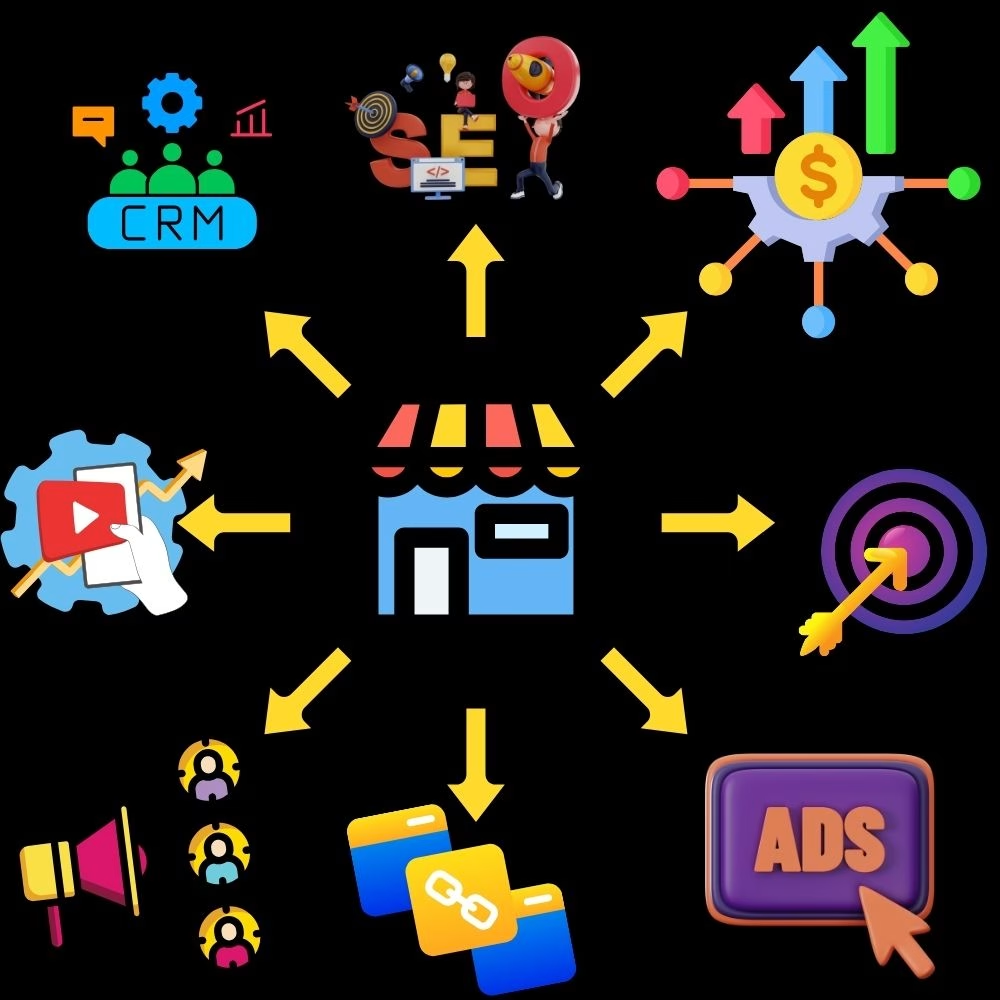

Running a retail store isn’t just about unlocking the doors and waiting for customers to show up. It takes much more than that. Whether you’re selling vintage sneakers or organic groceries, retail marketing strategies are what truly drive foot traffic, build brand loyalty, and grow your business.
Think of it like throwing a party. You’ve got a great venue (your store), perfect music (your products), and amazing snacks (your service). But if no one knows about the party, what’s the point? That’s where marketing steps in; it’s your invitation to the world.
The cool part? You don’t need a huge budget or a fancy agency to get started. Some of the best marketing strategies for retail stores come from creative thinking, customer connection, and a little bit of digital magic.
In this guide, we’ll break things down in plain English. You’ll learn what retail marketing strategy really means, why it’s important, explore fun and effective examples, and even get the lowdown on the retail marketing mix (don’t worry, it’s not a salad).
Let’s get started and turn your store into a people magnet.
What Is a Retail Marketing Strategy?
A retail marketing strategy is your game plan for attracting shoppers and turning them into loyal customers. It’s not just about selling products; it’s about creating an experience people want to come back to.
At its core, it answers questions like: Who are your customers? Where do they hang out (online or offline)? What makes them choose your store over others? Once you know these answers, you can tailor your efforts to meet their needs.
For example, if you run a local fashion boutique, your strategy might focus on style workshops and loyalty points. On the other hand, a hardware store might rely more on local SEO and how-to demos on YouTube.
So, when people ask, What is retail marketing strategy, think of it as the roadmap that connects your store to the right customers through the right message, at the right time, in the right place.
Why Retail Marketing Strategies Matter?
If you’re wondering why you even need a marketing strategy, here’s why it truly matters, especially when it comes to marketing strategies for retail businesses:
- Stand Out from the Crowd
The retail world is crowded. A smart strategy helps your store shine among competitors, especially if you’re in a busy area or niche.
- Bring in the Right Customers
Not all traffic is good traffic. A targeted strategy helps attract people who actually want what you’re selling.
- Boost Sales Consistently
When you use the best marketing strategies for retail stores, you don’t just get random spikes; you build steady, reliable sales.
- Build Long-Term Loyalty
Strategies like loyalty programs or personalized emails keep customers coming back for more.
- Adapt to Changing Trends
A good plan isn’t rigid; it flexes. Whether it’s switching to a digital marketing strategy for a retail store or trying something new in-store, strategy keeps you future-ready.
Types of Retail Marketing Strategies (With Examples)
When it comes to promoting your retail store, there’s no single secret formula. Different businesses thrive with different approaches, depending on their products, audience, and vibe. Great news? You’ve got a whole toolkit of effective options at your fingertips!
Whether you’re a cozy boutique or a booming chain, these marketing strategies for retail stores can help you stand out, build relationships, and boost sales. The key is to pick what fits your goals and your customers.
Let’s walk through some of the most popular types of retail marketing strategies, with real-world examples to inspire your next move.
In-Store Promotions
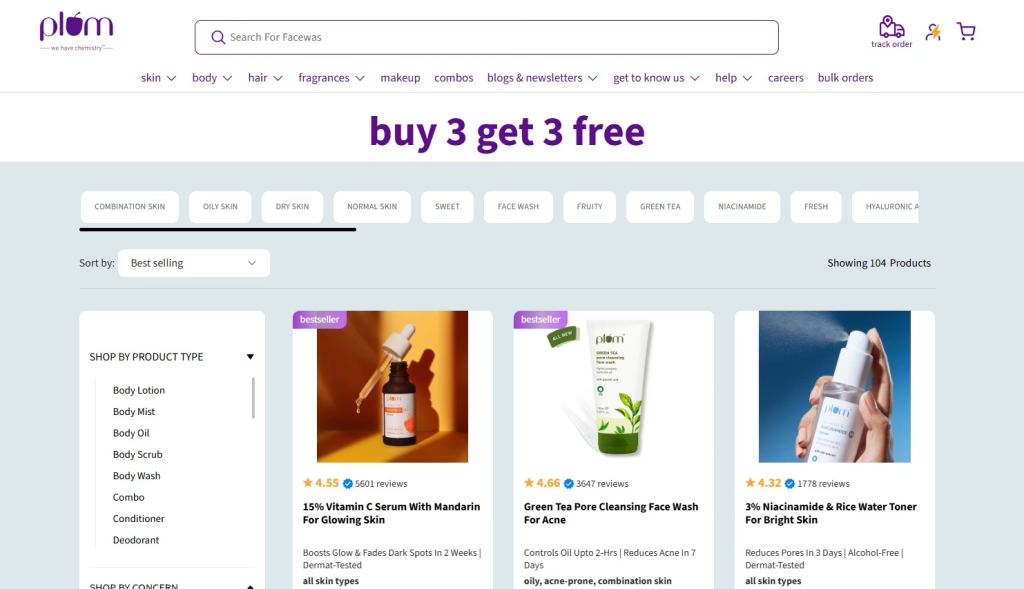
This classic strategy is all about creating excitement inside your store. Think limited-time discounts, flash sales, BOGO (Buy One, Get One) deals, or free gifts with purchase. These promotions work because they tap into urgency and the thrill of getting a deal.
Example: Plum runs regular “Buy 3, Get 3 Free†sales that draw loyal fans into stores every season.
Digital Marketing Strategy
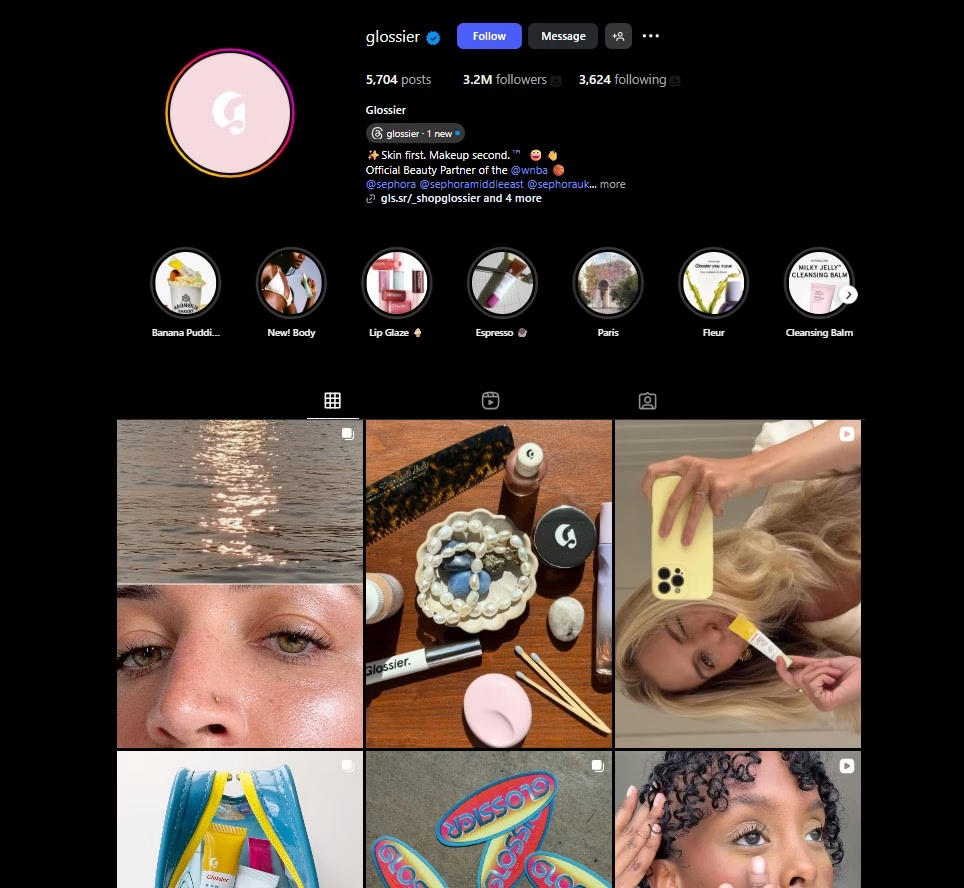
The digital space is no longer a luxury; it’s a must-have for retail success. This strategy covers everything from email marketing and social media marketing to influencer collaborations and paid advertising. It’s one of the most effective ways to reach customers where they already spend their time, online.
Example: Glossier uses Instagram, TikTok, and email beautifully to connect with young beauty lovers and drive traffic online and in-store.
Loyalty Programs
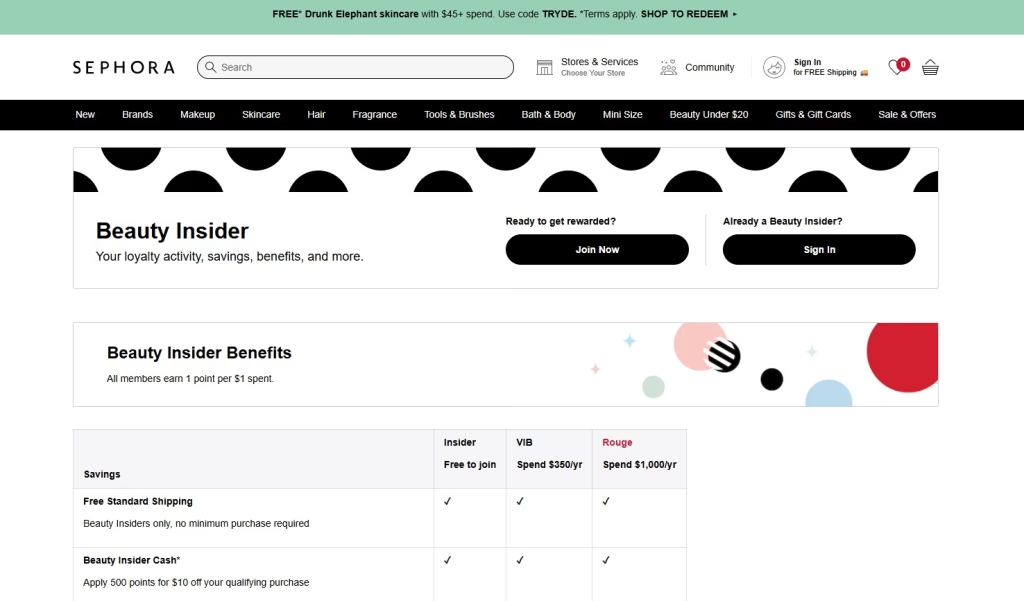
Why settle for just one sale when you can build a lasting customer relationship? As one of the most effective retail marketing strategies, loyalty programs drive repeat business by rewarding shoppers with points, perks, and exclusive deals. They make customers feel valued and keep them coming back.
Example: Sephora’s Beauty Insider program keeps makeup lovers coming back and buying more to unlock perks.
Community Engagement
Connecting with your local audience is one of the most meaningful retail marketing strategies you can use. Building relationships through community events, partnerships with nearby shops, or hosting your own in-store happenings helps create genuine brand loyalty and powerful word-of-mouth.
Example: Lululemon hosts free yoga classes with local instructors, building community while encouraging store visits and subtly showcasing their activewear in a natural, engaging setting.
Omnichannel Strategy
Among the most customer-friendly retail marketing strategies is the omnichannel approach. It combines both online and offline experiences like ordering online, picking up in-store, or processing returns across channels, so shoppers enjoy a smooth and flexible buying journey.
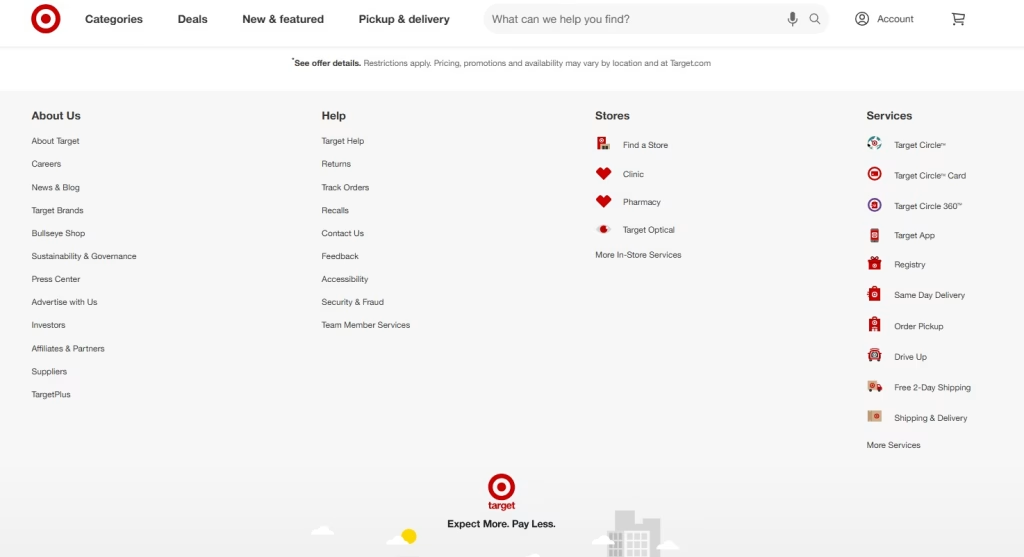
Example: Target nails this. You can shop online, pick up in-store, return in either place, and get notified on your app.
Seasonal or Themed Campaigns
Seasonal promotions are some of the most engaging retail marketing strategies out there. They let you tap into current moods, holidays, or cultural trends, whether it’s back-to-school season, holiday shopping, or a summer clearance event. Themed campaigns create urgency, relevance, and excitement for shoppers.
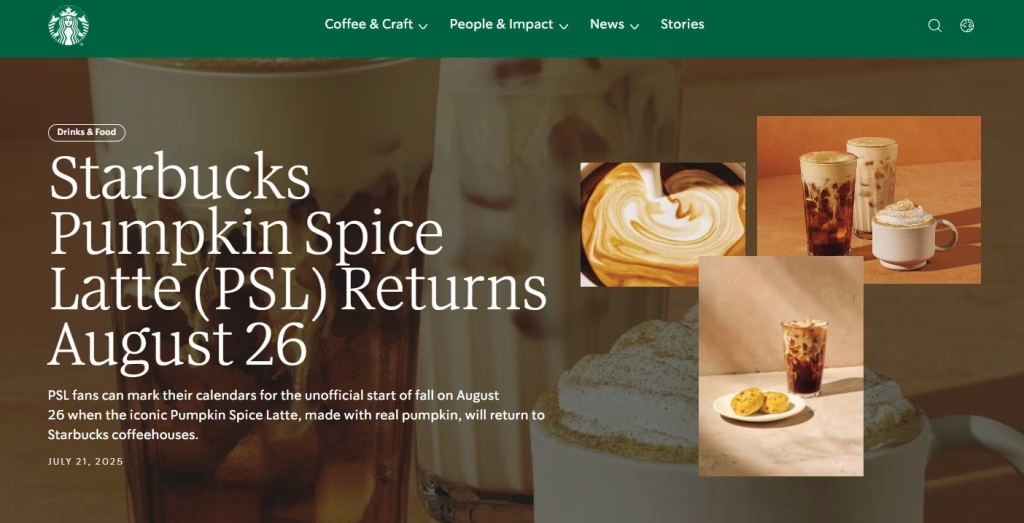
Example: Starbucks turns pumpkin spice into a full-blown seasonal experience, complete with merch and themed social content.
These are just a few of the retail marketing strategies that brands use every day. The trick is choosing what fits your brand, budget, and audience.
The Retail Marketing Mix Explained
Alright, let’s break down the retail marketing mix, also known as the 4Ps: Product, Price, Place, and Promotion. It may sound like something from a business textbook, but don’t worry, we’re keeping it real and simple.
Product
Your product is more than just what you sell; it’s the full package. That includes design, branding, packaging, and even the feeling it gives your customer.
Ask yourself: Does this solve a need? Does it bring value or joy?
Strong retail marketing strategies always start with a product that customers truly want.
Price
Pricing plays a big role in how your brand is perceived. It’s not just about covering costs; it’s about understanding what your audience is willing to pay.
If the price is too high, people might hesitate. Too low?
They might question the quality. Strategic pricing, including discounts and bundles, is a crucial part of successful retail marketing strategies.
Place
This refers to where your products are available, both in the real world and online.
Is your store in a convenient location? Is your website easy to use? Do you offer delivery or click-and-collect options?
Great retail marketing strategies ensure your products are available wherever your customers already shop.
Promotion
This is where visibility happens. Think social media posts, email campaigns, ads, events, and sales. Consistent and engaging promotion keeps your store top of mind. It’s not about being loud; it’s about being present and relevant. Promotion is how you stay top of mind, even when someone isn’t ready to buy just yet.
The magic of the marketing mix is how all four parts work together. A great product alone isn’t enough; it needs the right price, shown in the right place, and promoted in a way that connects with your audience.
Conclusion
At the end of the day, the most successful marketing strategies for retail stores are the ones that feel authentic to your brand and truly connect with your customers. Whether it’s through a clever in-store promo, a heartfelt community event, or a solid digital plan, your strategy should always aim to serve and delight. Keep testing, keep learning, and don’t be afraid to try something new; you never know what might click!
FAQs
1. What is retail marketing?
It’s the process of promoting products directly to consumers through various channels to drive sales.
2. Why is retail marketing strategy important for SMEs?
It boosts visibility, attracts customers, and helps small businesses compete with larger brands.
3. What are the main types of retail marketing strategies?
In-store promotions, digital marketing, loyalty programs, social media, and local advertising.
4. How can SMEs implement cost-effective retail marketing?
By using social media, email campaigns, and community-based promotions.
5. Can retail marketing strategy improve customer loyalty?
Yes, strategies like rewards programs and personalized experiences build long-term loyalty.




Leave a Comment