

Sometimes marketing content feels like it’s floating around the internet with no clear direction.
A blog goes up here, a video appears there, and hopes are pinned on customers somehow finding their way to you.
The reality is simple: marketing without a plan is like fishing without bait, a catch might happen, but it’s mostly luck. That’s where the Content Marketing Funnel steps in.
It works like a customer’s GPS, guiding them from “I’ve never heard of this brand†to “I’m ready to buy†in a clear, steady journey. The funnel doesn’t just attract attention; it moves people toward making a decision.
This guide will unpack what a Content Marketing Funnel is, explore its stages, connect it to a digital marketing strategy, and walk through how to build one that actually works, all in a friendly, straightforward way.
What is a Content Marketing Funnel?
A Content Marketing Funnel is a framework that helps brands guide potential customers through different stages from discovering your business to becoming loyal buyers.
Think of it as a step-by-step path. At the top of the funnel, people may not know your brand exists. As they move down, they learn more, compare options, and eventually decide to buy. Your content is the tool that moves them forward.
Unlike a sales funnel, which focuses purely on closing a deal, a content funnel strategy nurtures relationships. It uses blog posts, videos, social media, and other formats to educate, build trust, and inspire action.
In digital marketing, this funnel is more than a diagram; it’s a marketing strategy that connects the right message with the right audience at the right time. Done well, it keeps your audience engaged, informed, and ready to take the next step.
Why Content Marketing Funnels Work?
A content marketing funnel is effective because it mirrors the way people make decisions. Here’s why the step-by-step approach outperforms random marketing:
- Builds trust early – At the awareness stage, content shows you understand the audience’s needs and challenges.
- Solves problems directly – During the consideration stage, valuable content answers questions and offers clear solutions.
- Guides decision-making – By the conversion stage, prospects feel confident because doubts have been addressed along the way.
- Creates natural progression – Instead of pushing for a sale too soon, a content funnel strategy makes the next step feel easy and logical.
- Strengthens long-term relationships – Continuous value keeps customers engaged even after the purchase.
Content Marketing Funnel Stages
A content marketing funnel strategy works best when you know exactly what to say at each stage of the customer journey.
Each stage has a different goal, from catching someone’s attention to turning them into repeat buyers.
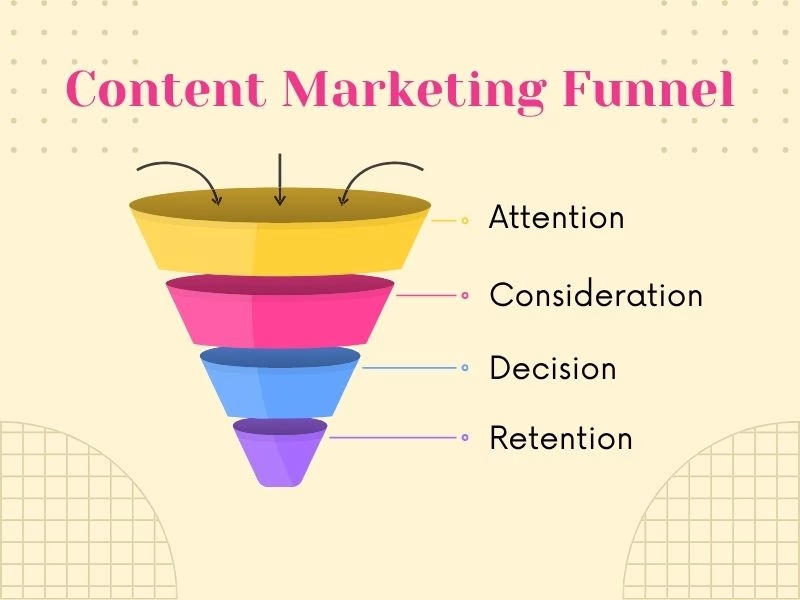
Here’s how it works.
Awareness Stage
This is the top of the funnel, where people first discover your brand. They’re not ready to buy yet; they’re simply exploring. Your goal is to get noticed and provide value without pushing for a sale.
Content examples: blog posts, social media updates, infographics, and short videos that answer common questions.
Consideration Stage
Here, the audience knows who you are and is weighing their options. They’re comparing solutions and want to see why your offer stands out. This is where you build trust and show expertise.
Content examples: case studies, webinars, eBooks, detailed guides, and comparison charts.
Conversion Stage
This is the decision-making point. Your audience is ready to act but may need that final nudge. Make it easy for them to choose you by showing proof, offering incentives, and removing doubts.
Content examples: product demos, customer testimonials, free trials, and special offers.
Retention & Advocacy Stage
The funnel doesn’t end at the sale. Keeping customers happy turns them into repeat buyers and brand advocates who recommend you to others.
Content examples: loyalty programs, how-to videos, follow-up emails, and referral campaigns.
How to Build an Effective Content Marketing Funnel?
Building a content marketing funnel doesn’t have to feel overwhelming. The key is to break it into clear steps and keep the focus on your audience’s needs.
Define Your Audience
Start by understanding exactly who you want to reach. Create simple buyer personas that include their goals, challenges, and what information they’re searching for online.
Map the Customer Journey
Outline how people move from discovering your brand to becoming loyal customers through customer research. This process helps you match the right content to each stage of the funnel.
Match Content to Funnel Stages
Awareness content attracts attention. Consideration content builds trust. Conversion content drives action. Retention content keeps customers happy.
Choose the Right Channels
Decide where your audience spends time: search engines, social media, email, or a mix. Focus on the platforms that bring the most engagement.
Add Lead Nurturing and Retargeting
Use email sequences and remarketing ads to keep your brand top-of-mind for people who showed interest but didn’t buy yet.
Track and Optimize
Measure performance using key metrics like traffic, engagement, leads, and sales. Adjust your funnel strategy based on what works best.
A well-built content marketing funnel is never “finished.†It evolves as your audience, market, and content grow, making your marketing stronger over time.
Common Mistakes to Avoid
Even the best marketers can trip up when building a content marketing funnel. The good news? Most mistakes are easy to fix once you know what to look for.
Skipping Stages
Some brands jump straight from awareness to asking for a sale. Without building trust first, most leads won’t convert, and lead conversions will suffer; they’ll just click away.
Focusing Only on New Leads
It’s exciting to get new traffic, but ignoring existing customers leaves money on the table. Retention content is just as important as acquisition.
Using the Same Message Everywhere
Each funnel stage has different needs. If your content sounds the same at every step, it won’t resonate or move people forward.
Not Measuring Results
Without tracking, you can’t know which parts of your funnel are working. Guessing often leads to wasted time and budget.
By avoiding these pitfalls, your content marketing funnel will run smoother, convert better, and keep customers coming back for more.
Conclusion
A well-planned content marketing funnel turns random marketing efforts into a clear, repeatable process. It helps you attract the right people, earn their trust, and guide them toward becoming loyal customers.
By understanding each funnel stage, aligning your content with your audience’s needs, and tracking results, you create a system that works consistently, not just once in a while.
The beauty of this approach is that it grows with your business. As you refine your content and channels, your funnel becomes stronger, more efficient, and more profitable.
Start small, stay consistent, and keep improving. The more you invest in building and optimizing your content marketing funnel, the more it will reward you with long-term results.
FAQs
1. What is a content marketing funnel strategy?
It’s a framework that guides customers from awareness to conversion using content.
2. What are the main stages of a content marketing funnel?
Awareness, consideration, conversion, and retention.
3. Why is a funnel important in content marketing?
It helps deliver the right content at the right stage to nurture leads effectively.
4. How do I build a content marketing funnel strategy?
Define goals, map customer journey, create targeted content, and track performance.
5. Can a funnel strategy improve conversions?
Yes, by aligning content with customer needs, it boosts trust and sales.






Leave a Comment