


Cadbury is one of the most loved chocolate brands in the world. From a modest shop in Birmingham in the 1800s to becoming a global household name, its journey is a testament to more than just great taste; it’s the result of a brilliant marketing strategy of Cadbury.
Over the years, the brand has evolved far beyond selling chocolates. The marketing strategy of Cadbury focused on selling emotions, joy, and shared moments, which helped it create lasting connections with millions of consumers across generations.
In this article, we’ll explore the Cadbury marketing strategies in depth, how it blended tradition with innovation, and emotional appeal with modern digital tools to stay ahead in a competitive market. From iconic campaigns to clever product positioning, Cadbury has turned chocolates into cherished memories.
Join us for an inside look at how the marketing strategy of Cadbury shaped its brand identity from its Victorian roots to its status as a symbol of love and celebration in today’s world.
Overview of Cadbury’s Brand Identity
The Cadbury marketing strategy isn’t just about selling chocolate; it’s about building a brand rooted in trust, emotion, and tradition. Over the decades, Cadbury has carefully crafted a brand identity that resonates across generations and geographies, making it a timeless favorite worldwide.
A Brief History of Cadbury
Founded in 1824 by John Cadbury in Birmingham, England, the company began as a small grocer’s shop selling tea, coffee, and drinking chocolate. By the late 19th century, the marketing strategy of Cadbury had shifted focus to cocoa and chocolate products, and it hasn’t looked back since.
Core Brand Values
The marketing strategy of Cadbury revolves around core values like quality, purity, and emotional connection. Their branding emphasizes:
- Generosity and sharing – Often reflected in their tagline, “Share the Joyâ€
- Tradition and heritage – With more than 200 years of legacy
- Celebration and happiness – “Kuch Meetha Ho Jaaye†campaign in India linked chocolate to moments of joy
Emotional Branding
The Cadbury marketing strategy has mastered the art of emotional marketing. Whether it’s a child sharing a chocolate bar with a friend or a romantic gesture, the brand uses real-life moments to connect with consumers on a deeper level.
Target Audience
While the brand caters to all age groups, its primary audience includes children, families, and young adults. Cadbury’s marketing campaigns are designed to evoke nostalgia in older audiences while maintaining excitement for younger ones.
Global Presence, Local Flavor
The marketing strategy of Cadbury successfully adapts its brand identity for different markets.
- In India, it positions itself as a treat for festivals and family bonding.
- In the UK, it appeals to tradition and national pride.
- In emerging markets, it focuses on affordability and aspirational branding.
Cadbury Marketing Strategy
The marketing strategy of Cadbury is a carefully crafted blend of emotional connection, product innovation, and market adaptation. It’s what helps the brand remain timeless yet modern, local yet global.
Emotion-Led Positioning
The marketing strategy of Cadbury focuses on emotional storytelling to build a strong brand recall. Their ads often highlight themes like:
- Family bonding
- Celebration
- Everyday joy
- Acts of kindness
This emotional positioning is a key part of the marketing strategy of Cadbury, making it more than just a chocolate; it becomes a part of life’s special moments.
Market Segmentation and Targeting
The marketing strategy of Cadbury segments its market based on:
- Demographics (age, income, family structure)
- Psychographics (lifestyle, occasions, emotional triggers)
- Geography (urban vs rural, region-specific campaigns)
Their targeting is broad yet precisely designed to reach kids with fun packaging, teenagers with trendy campaigns, and adults through nostalgia or gifting promotions.
Brand Differentiation
What sets Cadbury apart from other chocolate brands?
The Cadbury marketing strategies combine:
- Heritage + Innovation: While rooted in tradition, Cadbury constantly launches new flavors, packaging styles, and campaign formats.
- High Trust: Consistent quality and ethical sourcing (Fairtrade, Cocoa Life program) build consumer confidence.
Local Market Customization
The marketing strategy of Cadbury tailors its approach for regional audiences. For example:
- In India, it promotes chocolates as a substitute for traditional sweets during festivals.
- In Australia, the “Joyville†campaign focused on whimsy and escapism.
- In the UK, the “Glass and a Half Full” campaign became iconic.
Customer Engagement Focus
Rather than just pushing products, the marketing strategy of Cadbury invites customers into a story. Its strategy relies on deep customer research, emotional storytelling, and nostalgia-driven messaging.
- User-generated content
- Interactive ads
- Moments-based marketing (birthdays, holidays, school events, etc.)
Cadbury Marketing Mix (4Ps)
Understanding the marketing mix of Cadbury reveals how the brand balances quality, accessibility, and emotional appeal to stay ahead in the global confectionery market.
Product Strategy
The marketing strategies of Cadbury include offering a wide range of products, with Cadbury Dairy Milk as its flagship brand. The company continuously innovates with seasonal editions, limited flavors, and packaging to maintain consumer interest. It also expands into categories like biscuits and beverages.
Price Strategy
Cadbury uses competitive pricing strategies tailored to local markets. As part of the marketing strategy of Cadbury, smaller packs and affordable options in price-sensitive regions help maintain market penetration, while premium lines cater to affluent consumers.
Place Strategy
The marketing strategy of Cadbury ensures product availability across urban and rural markets through an extensive distribution network. From supermarkets to small retailers, availability is key to their strategy.
Promotion Strategy
Cadbury’s promotional strategies focus heavily on emotional storytelling. As a key part of the Cadbury marketing strategies, advertisements, festivals, digital campaigns, and celebrity endorsements help the brand build lasting relationships with consumers across generations.
Cadbury Digital Marketing Strategy
The Cadbury marketing strategies have evolved to connect with consumers through online platforms. Its digital campaigns are interactive, emotionally engaging, and deeply rooted in brand storytelling.
Social Media Engagement
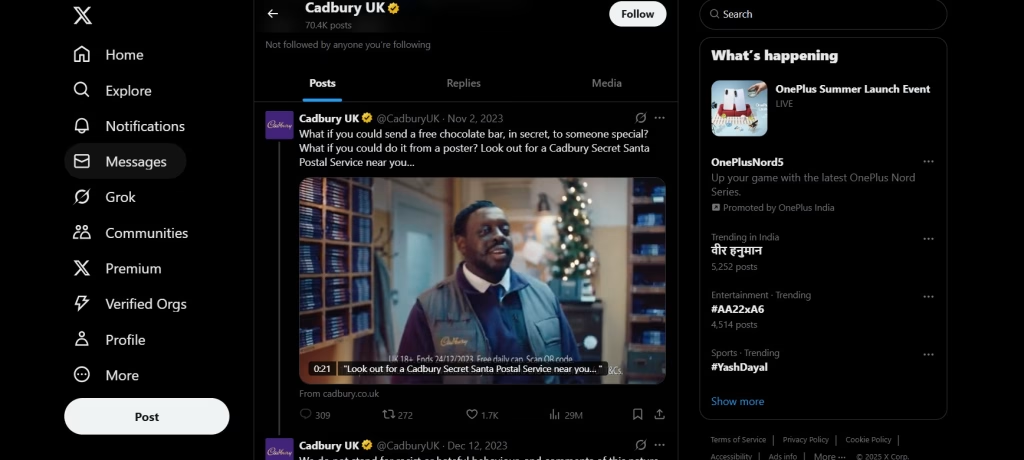
Cadbury maintains a strong presence on platforms like Instagram, Facebook, and Twitter. Through visually rich content, short videos, and festive-themed posts, the brand creates moments that resonate with audiences. Its campaigns often trend due to relatable themes and timely execution.
Influencer and User-Generated Campaigns
Cadbury often collaborates with influencers and encourages fans to share their stories. This user-generated content helps build community and emotional connection while expanding reach organically.
Digital Advertising and Personalization
As part of the marketing strategy of Cadbury, targeted ads on YouTube, Google, and social media allow the brand to tailor messaging to specific demographics. Data-driven insights help personalize content and promotions, enhancing user engagement and conversion.
Cadbury Marketing Campaigns
The Cadbury marketing strategies have produced some of the most memorable and emotionally resonant campaigns in the world. These efforts blend storytelling, tradition, and innovation to connect with audiences across generations and cultures.
Kuch Meetha Ho Jaaye
In India, the “Kuch Meetha Ho Jaaye†campaign transformed Cadbury into more than just a chocolate brand; it became a part of Indian celebrations. As a key element of the marketing strategy of Cadbury, the message linked chocolate with everyday happiness, positioning Dairy Milk as a modern replacement for traditional sweets.
Real Taste of Life
This UK-based campaign focused on genuine human moments and relationships. As part of the marketing strategy of Cadbury, it celebrated ordinary people and everyday kindness, reinforcing the brand’s identity as one that values authenticity and emotional depth.
Unity Bar Campaign
As part of the marketing strategy of Cadbury in India, the brand launched the Unity Bar, featuring chocolates of different shades in one bar. It was a symbolic message promoting unity in diversity, further enhancing Cadbury’s social appeal.
The Secret Santa Campaign
Cadbury’s marketing strategy came to life with its festive “Secret Santa†campaign, which encouraged people to gift chocolate anonymously. This playful yet heartwarming idea blended generosity with mystery, boosting engagement and brand warmth during the holiday season.
Marketing Strategies of Cadbury Dairy Milk
Cadbury Dairy Milk is not just the most iconic product in Cadbury’s portfolio; it is the heart of the brand’s identity. The marketing strategies of Cadbury for Dairy Milk center on emotional appeal, strong positioning, and constant innovation to maintain dominance in the chocolate segment.
Emotional Storytelling
A major element in the marketing strategy of Cadbury Dairy Milk is emotional storytelling. From heartwarming ads about family moments to narratives around love and friendship, the brand consistently taps into everyday emotions. These campaigns often evoke nostalgia, helping Dairy Milk connect deeply with a broad audience.
Festival and Occasion Marketing
Dairy Milk is positioned as an essential part of celebrations. Especially in India, the marketing strategy of Cadbury promotes it as a modern alternative to traditional sweets during festivals like Diwali and Raksha Bandhan, strengthening its presence in households.
Product Innovation and Variety
To maintain excitement, Dairy Milk regularly introduces new variants such as Silk, Roast Almond, Fruit & Nut, and seasonal flavors. This variety is a strategic tool in the broader marketing strategy of Cadbury to appeal across demographics.
Premium and Mass Appeal
While Silk caters to premium consumers, classic Dairy Milk is available in smaller, affordable packs, ensuring the brand remains accessible and beloved by both children and adults.
Conclusion
The marketing strategies of Cadbury showcase how emotional branding, product innovation, and strategic adaptability can build a timeless brand. Cadbury has gone beyond selling chocolates; it sells feelings, memories, and moments of joy. Through iconic campaigns, digital engagement, and market-specific approaches, it connects deeply with audiences around the world.
Despite facing competition and shifting consumer trends, Cadbury’s ability to evolve while staying true to its values keeps it ahead. Its marketing strategy offers valuable lessons in consistency, storytelling, and customer-centric thinking, proving that great marketing is not just about selling, but about creating lasting emotional connections.
FAQs
1. What is the core marketing strategy of Cadbury?
Cadbury focuses on emotional storytelling, festive branding, and wide product availability.
2. How does Cadbury connect with its audience?
Through heartwarming campaigns that highlight joy, sharing, and family values.
3. What role do festivals play in Cadbury’s marketing plan?
Festivals are key moments where Cadbury launches targeted campaigns to boost sales.
4. How has advertising contributed to Cadbury’s growth?
Iconic ads like “Kuch Meetha Ho Jaaye†created strong emotional connections with consumers.
5. What can brands learn from Cadbury’s marketing strategies?
The power of consistency, emotional appeal, and adapting campaigns to cultural moments.








Leave a Comment