

Search intent in SEO refers to the reason behind a person’s online search, what they want to find or achieve by typing a query. Understanding search intent in SEO is essential because it helps deliver content that matches exactly what users are looking for.
Recognizing why search intent is important can transform the way content is created and how websites perform in search engines. When content aligns with search intent, visitors stay longer, engage more, and search engines reward the site with better rankings.
In SEO, search intent is more than just a concept; it guides how keywords are chosen and used effectively. Questions like “What is search intent in SEO?†and “How to find or determine search intent?†become easier to answer with a solid grasp of this idea.
The following sections will explain the search intent in SEO, its types, and how understanding them improves results.
What is Search Intent in SEO?
Search intent, sometimes called user intent, is the reason behind a person’s online search. It explains what the user hopes to find or achieve by typing a query into a search engine.
For example, if someone searches for “search intent meaning,†they want to learn what the term means. On the other hand, a search like “buy SEO tools†shows the user’s goal is to make a purchase.
Understanding search intent helps content creators deliver exactly what users need, whether it’s information, a specific website, a product, or a service. It’s the foundation of effective SEO writing because search engines aim to provide results that best match this intent.
Simply put, search intent answers the question: What is the user really looking for?
Types of Search Intent in SEO
Understanding the different types of search intent in SEO helps create content that meets users’ exact needs. The main categories include:
Informational Intent
Users with informational intent want to learn something or find answers. Queries like “search intent meaning†or “how to find search intent†show a desire for knowledge. Content that educates and explains works best here.
Navigational Intent
Navigational intent occurs when someone searches to reach a specific website or page. For example, searching “search intent†might indicate the user wants to visit a particular blog or tool. The goal is to navigate directly to a known destination.
Transactional Intent
Transactional intent signals readiness to take action, such as making a purchase or signing up for a service. Keywords like “optimize for search intent†or “search intent SEO tools†suggest the user wants to complete a transaction or conversion.
Commercial Investigation Intent
This intent is a mix of informational and transactional. Users research and compare options before deciding. For example, “search intent categories†might indicate someone exploring different SEO strategies before committing.
By recognizing these search intent categories, content creators can tailor their pages to fit what users truly want, leading to better engagement and improved SEO performance.
Role of Search Intent in SEO
Search intent in SEO plays a vital role in shaping effective SEO strategies. It guides how keywords are selected, content is created, and rankings are earned.
Influences Keyword Research
Keywords alone don’t tell the whole story. Effective keyword research helps uncover the intent behind each term, allowing you to choose the right ones to drive meaningful traffic and engagement. For example, targeting “search intent meaning†should focus on informative content, while “optimize for search intent†fits better with actionable, solution-focused pages.
Shapes Content Creation
Matching content with search intent means delivering what users expect. Informational intent calls for detailed guides or FAQs, whereas transactional intent requires clear calls to action and easy navigation to purchase or sign up.
Improves User Experience and Rankings
When content aligns with search intent, visitors find answers quickly and stay longer on the site. This engagement signals to search engines that the page is valuable, boosting its rankings.
Helps Avoid Common SEO Mistakes
Ignoring search intent can lead to mismatched content that frustrates users and hurts rankings. Focusing on intent ensures that SEO efforts attract the right audience and meet their needs effectively.
By integrating search intent into SEO, websites become more user-friendly, relevant, and competitive in search results.
How to Identify and Analyze Search Intent?
Understanding how to find and analyze search intent is essential for creating content that hits the mark.
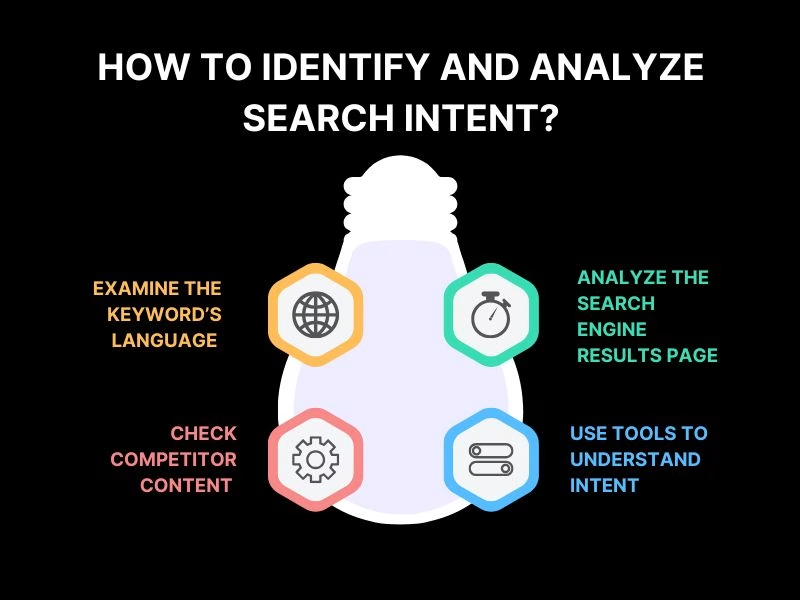
Examine the Keyword’s Language
Look closely at the words people use. Questions like “why,†“how,†or “what†usually signal informational intent. Words such as “buy,†“discount,†or “deal†hint at transactional intent. Paying attention to these clues helps uncover the user’s goal.
Analyze the Search Engine Results Page (SERP)
The type of content that ranks high offers valuable insight into search intent in SEO. If the top results are mostly blog posts or guides, the intent is likely informational. If product pages dominate, transactional intent is the focus. This analysis reveals what Google thinks users want.
Use Tools to Understand Intent
Several SEO tools, like Google Search Console, Ahrefs, or SEMrush, provide data on keyword intent and user behavior. These tools can highlight what users are clicking on and help confirm the intent behind searches.
Check Competitor Content
Reviewing competitor pages that rank well for the same keywords can uncover how they address search intent. Notice their content style, format, and calls to action to guide your own content creation.
By combining these content strategies, it becomes easier to determine and analyze search intent accurately, leading to more effective SEO efforts.
How to Optimize for Search Intent in SEO?
Optimizing content based on search intent in SEO is key to attracting the right visitors and boosting performance.
Match Content Type to Intent
Choose the right format depending on the intent. For informational queries, write detailed blog posts, how-to guides, or FAQs. For transactional intent, focus on product pages, clear calls to action, and simple checkout options.
Use Relevant Keywords Naturally
Incorporate keywords that reflect the user’s intent without keyword stuffing. For example, include phrases like “search intent meaning†in informative content, while transactional pages might use “buy search intent SEO tools.â€
Craft Compelling Headlines and Meta Descriptions
Headlines and meta descriptions should clearly communicate how the content meets the searcher’s needs. This improves click-through rates by promising the exact information or solution users expect.
Structure Content for Easy Navigation
Break content into sections with clear headings and bullet points. This makes it easy for readers to scan and find the information they want quickly, improving user experience and engagement.
Include Strong Calls to Action (CTAs)
For transactional and commercial investigation intents, CTAs guide visitors toward the next step, whether it’s making a purchase, signing up, or learning more.
Continuously Monitor and Adjust
Track how content performs and watch for changes in user behavior or intent. Update and tweak your content regularly to stay aligned with what users want.
Optimizing for search intent turns ordinary content into powerful, targeted resources that satisfy user needs and climb search rankings.
Conclusion
Understanding search intent is the secret ingredient that makes SEO truly effective. When content matches what users want, whether they’re looking to learn, navigate, compare, or buy, it creates a better experience and earns higher rankings.
The different types of search intent guide keyword choices and content formats, ensuring every page serves a clear purpose. Identifying intent through keyword language, SERP analysis, and tools sharpens the focus, while optimizing content to fit that intent delivers real results.
Ignoring search intent in SEO risks wasting effort on content that misses the mark. On the other hand, putting it front and center turns visitors into happy users and search engines into fans.
Keeping an eye on how search intent evolves helps maintain relevance and grow your website’s success over time. Embracing search intent is not just a tactic; it’s a mindset for SEO that wins every time.
FAQs
1. What is search intent in SEO?
It’s the purpose behind a user’s search query, such as seeking information, buying, or comparing.
2. Why is search intent important for SEO?
It helps create content that matches user needs, improving rankings and engagement.
3. What are the main types of search intent?
Informational, navigational, commercial, and transactional.
4. How can I optimize content for search intent in SEO?
By analyzing keywords, studying SERPs, and tailoring content to user goals.
5. Can aligning with search intent improve conversions?
Yes, meeting user expectations increases trust, clicks, and sales.









Leave a Comment