

Ever wish you had a creative assistant who never runs out of ideas, works 24/7, and doesn’t need coffee breaks? Good news that an assistant exists, and it’s powered by artificial intelligence.
In today’s fast-moving digital world, brands and creators are turning to AI for content creation to keep up. Whether you’re a marketer, blogger, or small business owner, AI can help you write faster, brainstorm better, and publish smarter. It’s like having a turbocharged co-pilot for your content.
Think about the challenge of writing a product description at midnight with a deadline looming a task that often feels overwhelming. With AI tools, providing just a few details can deliver a solid draft in seconds. The result isn’t just efficiency; it’s a complete game-changer.
For anyone curious about how this technology works or wondering if it’s the right fit, the answers are clear. Here’s a closer look at what AI for content creation really is, how it can be used, and why it’s rapidly transforming the content world.
What Is AI in Content Creation?
Imagine telling your computer, “Write me a blog post about travel tips,†and it delivers a draft in seconds. That is the power behind AI in content creation. At its core, it is about using artificial intelligence to help plan, write, edit, and even design content.
Tools like ChatGPT, Jasper, and Copy AI are trained on tons of text. They learn patterns, tone, and structure to generate human-like writing. It is not magic. It is math and machine learning that work together to make your life easier.
You do not need to be a tech wizard to use them, either. Most tools just ask for a few keywords or a sentence, and they take it from there. You stay in control, guiding the AI like a creative partner, not a robot boss.
So, the next time you are stuck, think of AI for content creation as your brainstorm buddy, one that never runs out of ideas.
Benefits of AI for Content Creation
As content demands grow, so does the need for speed, consistency, and creativity. That is where AI steps in. Using AI for content creation brings a wide range of benefits that can save time, reduce stress, and boost productivity.
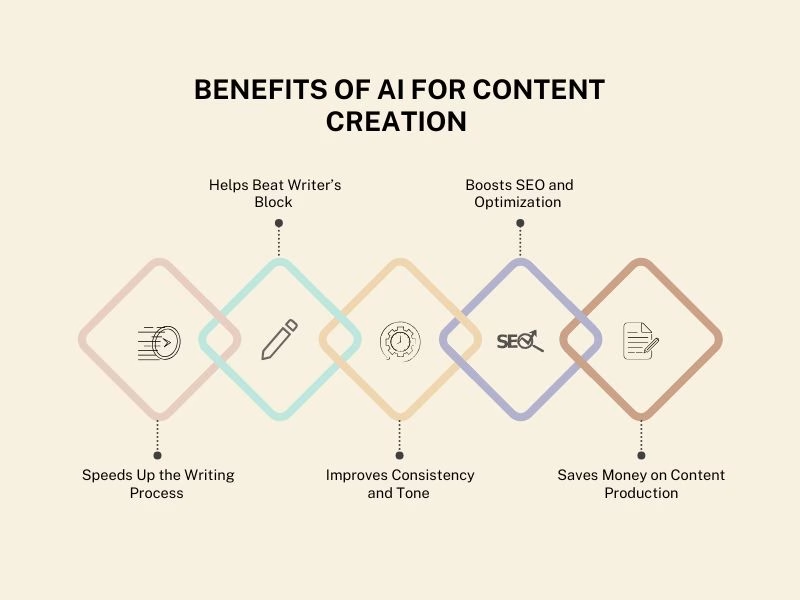
Here are some of the biggest advantages of using AI in content creation.
Speeds Up the Writing Process
AI tools can generate blog posts, Instagram captions, product descriptions, and more in a matter of minutes. Instead of starting from scratch, writers get a solid draft to build on, cutting content creation time in half or more.
Helps Beat Writer’s Block
When ideas are running dry, AI can jumpstart the creative process. It suggests titles, outlines, and angles, helping content creators break through mental roadblocks and find inspiration quickly.
Improves Consistency and Tone
Brands that need a steady tone across different platforms can rely on AI to deliver. Whether it’s formal, casual, or witty, AI tools can adjust the voice to match the brand’s style with remarkable accuracy.
Boosts SEO and Optimization
AI for content creation is not just about writing; it is also about content strategy. Many tools can analyze keywords, suggest meta descriptions, and structure content for better search engine performance.
Saves Money on Content Production
Hiring Content Writer? Avoid These Common MistakesHiring a full team of writers, editors, and strategists is expensive. AI reduces the load by taking care of first drafts, outlines, and edits. It does not replace humans, but it definitely helps to stretch the budget.
These benefits explain why so many marketers and businesses are turning to AI for content creation. It is not just a trend; it is becoming a competitive advantage.
Next, discover exactly how to use AI to create content that works.
How to Create Content with AI?
Creating content with AI is simpler than it sounds. It does not require coding skills or a tech background. With just a few steps, anyone can start producing quality content using AI tools.
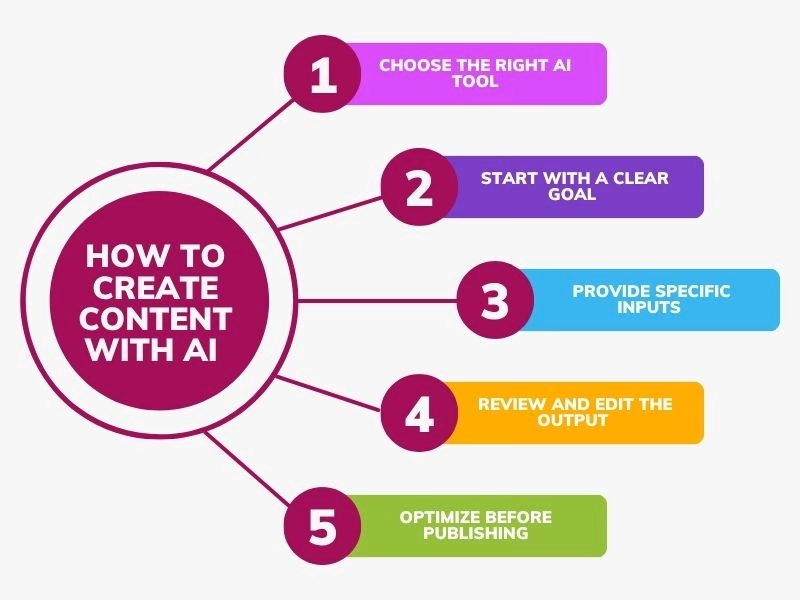
Choose the Right AI Tool
There are many AI content platforms available, each designed for different needs. Some focus on long-form writing like blogs, while others are built for short-form content like social media posts. Popular choices include ChatGPT, Jasper, Copy AI, and Writesonic.
Start with a Clear Goal
AI works best with a bit of direction. Whether the goal is to write a blog post, a video script, or a product description, having a clear purpose helps the AI stay focused and relevant.
Provide Specific Inputs
Most AI platforms ask for a topic, keywords, or short prompts. The more detailed the input, the better the output. For example, instead of saying “write about marketing,†try “write a blog introduction about content marketing for small businesses.â€
Review and Edit the Output
AI generates a strong starting point, but human editing is still important. Check for tone, accuracy, and brand fit. Make sure the content sounds natural and aligns with the intended message.
Optimize Before Publishing
Many AI tools now include SEO features. Use them to add keywords, format headers, and create meta descriptions. This improves visibility and helps the content perform better online.
Using AI for content creation is not just about speed. It is about working smarter. When used correctly, it becomes a powerful partner in building engaging and effective content.
Use Cases and Examples
AI is not just for tech experts or big companies. It is being used across industries by marketers, small business owners, teachers, and creators of all kinds. The flexibility of AI for content creation makes it useful in almost any situation where words matter.
Blogging and Article Writing
Writers use AI to brainstorm ideas, outline posts, and even write full articles. It helps generate content faster while still allowing the writer to fine-tune and add a personal touch. Many bloggers use it to stay consistent with publishing schedules.
Social Media Content
Creating catchy captions or daily posts can be tiring. AI tools can suggest posts tailored to different platforms like Instagram, LinkedIn, and Twitter. They can even help match the tone to fit a specific audience.
Email Marketing
AI in content creation makes it easier to write subject lines, newsletter content, and email sequences. Personalization features help create emails that feel less like spam and more like one-on-one conversations.
E-commerce and Product Descriptions
Online shops often need hundreds of product descriptions. Instead of writing each one from scratch, businesses use AI to generate clear, compelling descriptions that help sell products faster.
Video Scripts and Content Ideas
From YouTube intros to TikTok hooks, AI can help script short videos and brainstorm content topics. Creators save time on planning so they can focus more on filming and editing.
These examples show how versatile and practical AI for content creation is. Whether the goal is to inform, sell, or entertain, AI can lend a helping hand.
Challenges and Limitations
While AI for content creation brings many advantages, it is not perfect. Like any tool, it has its limitations. Knowing what AI can and cannot do helps users get better results and avoid common pitfalls.
Sometimes Lacks Accuracy
AI tools are trained on large amounts of data, but they do not always get the facts right. They may create content that sounds convincing but includes outdated or incorrect information. Always double-check important facts and figures.
May Sound Robotic or Repetitive
Even the best AI can sometimes produce writing that feels stiff or overused. Without editing, the tone might not match the brand or audience. A quick human touch can make a big difference in quality and flow.
Struggles with Nuance and Emotion
AI is smart, but it does not have real feelings or cultural awareness. It might miss subtle tones, humor, or emotional depth that make content truly connect with readers. These are areas where human creativity still shines.
Risk of Overreliance
Relying too much on AI for content generation can lead to generic results. It is important to use AI as a helper, not a replacement. The best content still comes from combining AI speed with human insight.
Concerns Around Originality and Plagiarism
Since AI pulls from existing patterns in data, there is a small risk of producing content that is too similar to existing work. Most tools have safeguards, but running final drafts through a plagiarism checker is a smart step.
AI in content creation is powerful, but it is not a set-and-forget solution. It works best when paired with human judgment, creativity, and purpose.
Conclusion
AI for content creation is changing the way people write, share, and communicate online. It is no longer a futuristic idea. It is here now, helping creators, businesses, and marketers work faster and smarter every day.
From writing blog posts to generating social media content, AI tools are making the process more efficient and less overwhelming. They are especially helpful for those who need to produce a lot of content on a tight schedule. And while they are not perfect, their strengths outweigh their limitations when used wisely.
The key is to treat AI as a creative partner, not a replacement. Human ideas, experiences, and emotions are still what make content truly valuable. AI just helps bring those ideas to life faster and with less effort.
As technology continues to grow, so will the role of AI in content creation. It is an exciting time to explore what these tools can do. Whether someone is a beginner or a seasoned pro, there is a place for AI in their content strategy.
FAQs
1. What is AI for content creation?
It’s the use of artificial intelligence tools to generate, edit, and optimize digital content.
2. How can AI for content creation benefit businesses?
It saves time, boosts productivity, and ensures consistent, high-quality content.
3. What types of content can AI create?
Blogs, social media posts, product descriptions, ad copies, and email campaigns.
4. Is AI for content creation reliable for SEO?
Yes, with proper human editing, AI-generated content can rank well in search engines.
5. Can AI replace human writers completely?
No, AI assists in efficiency, but creativity and personalization still need human input.









Leave a Comment