

If you’ve ever found an update from your favorite brand or a helpful tip from a blog sitting in your inbox, you’ve experienced the impact of a newsletter.
So, what is a newsletter? At its core, it’s a recurring message typically sent by email that shares news, insights, or special offers with a group of subscribers. Whether it’s a company promoting its latest product or a nonprofit sharing a community story, newsletters are designed to inform, engage, and connect.
Originally printed and mailed, newsletters have evolved into digital tools packed with clickable content, visuals, and value. They’ve become an essential part of how businesses and creators stay in touch with their audience.
In this guide, we’ll explore the newsletter’s meaning, different types, key benefits, proven formats, and tips for writing effective content. Whether you’re building a newsletter from scratch or just want to level up your strategy, this article has you covered.
Let’s jump in.
What Is a Newsletter?
A newsletter is a written communication, usually sent via email, that delivers curated content to a group of subscribers. It can include company updates, educational content, event announcements, special promotions, or curated links, essentially, anything the sender believes the audience will find valuable.
Put simply, if you’re wondering what a newsletter is, it’s a regular update designed to keep readers informed and engaged. While most modern newsletters are digital, the concept isn’t new. In the past, newsletters were printed and distributed in workplaces, schools, or communities to share news or updates.
Why Do Newsletters Matter Today?
In today’s digital world, newsletters help brands and individuals maintain direct communication with their audience without relying on social media algorithms. They’re personal, permission-based, and delivered straight to someone’s inbox, which makes them one of the most effective tools for engagement.
Types of Newsletters
Not all newsletters are created equal. Depending on their purpose and audience, newsletters can take many different forms. Here are some of the most common newsletter types you’ll come across:
Internal Newsletters
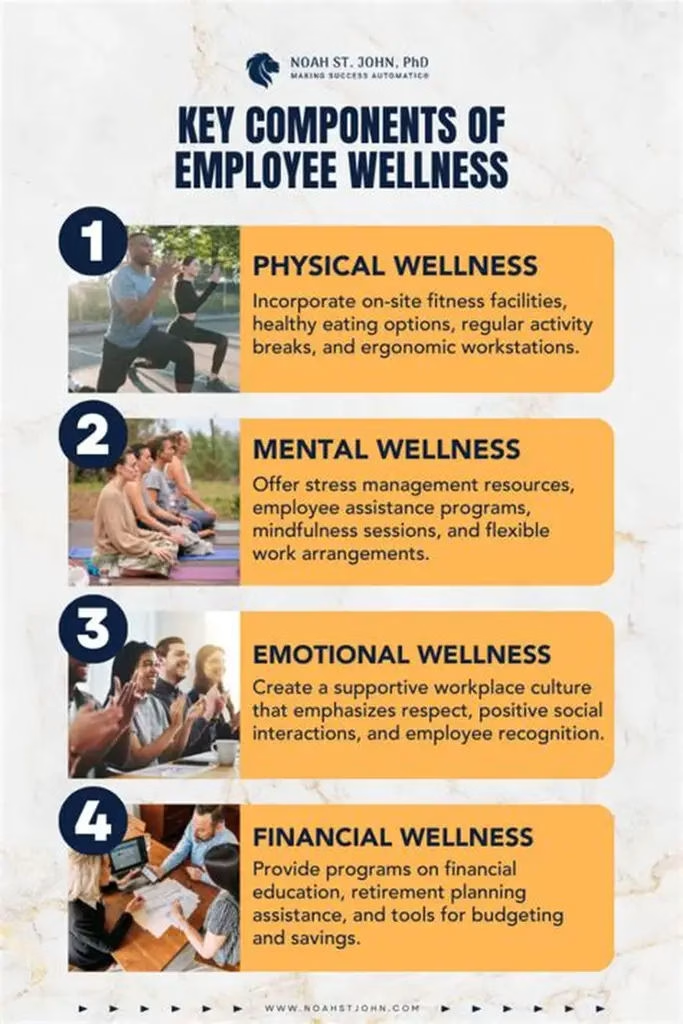
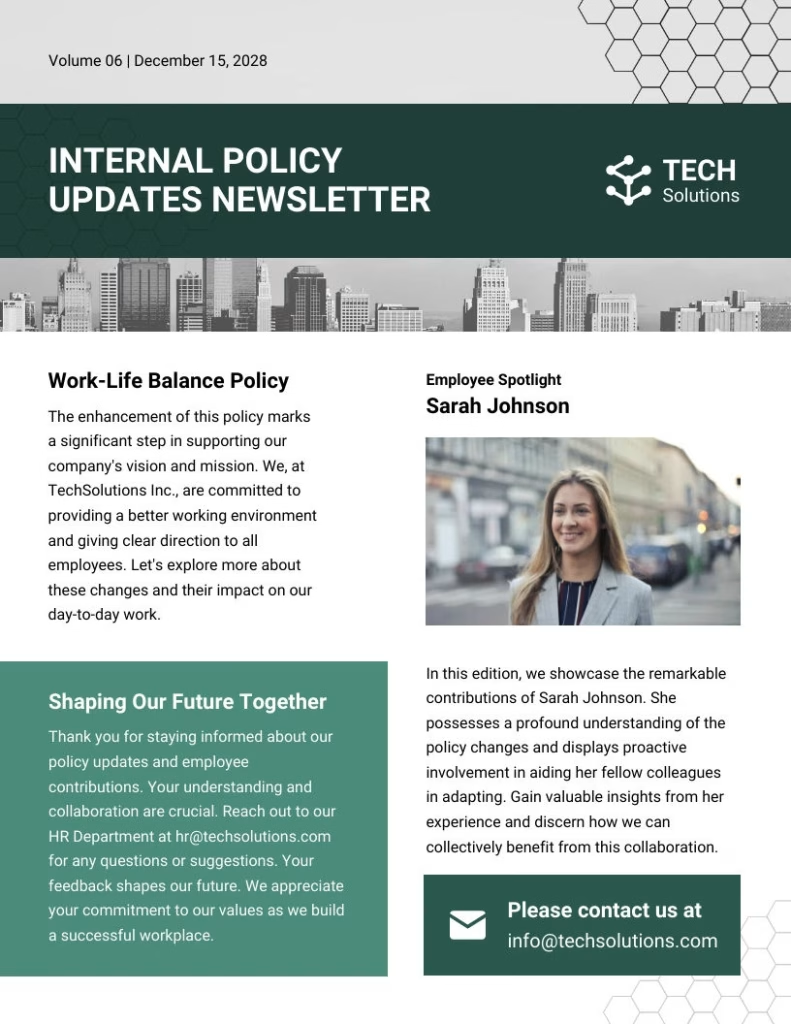
Designed for employees within an organization. These newsletters often include company updates, policy changes, team highlights, or upcoming events. They help boost internal communication and employee engagement.
Example: A monthly HR newsletter sharing wellness tips and training schedules.
External Newsletters
Aimed at customers, clients, or the general public. These keep your brand top of mind and often include news, updates, promotions, or industry insights.
Example: A SaaS company sending product updates and helpful blog links to users.
Promotional Newsletters
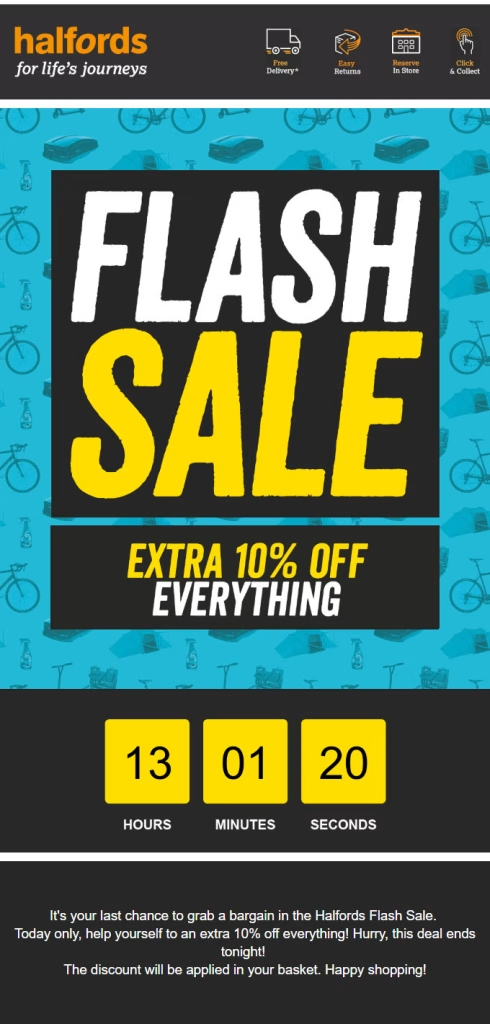
Focused on sales, product launches, or special offers. These are designed to drive conversions and revenue.
Example: An online retailer emailing a 3-day flash sale to their subscriber list.
Educational or Content-Rich Newsletters
Created to inform and provide value. These often include tips, tutorials, how-to articles, or curated resources.
Example: A marketing agency sharing weekly blog tips, SEO news, and writing advice.
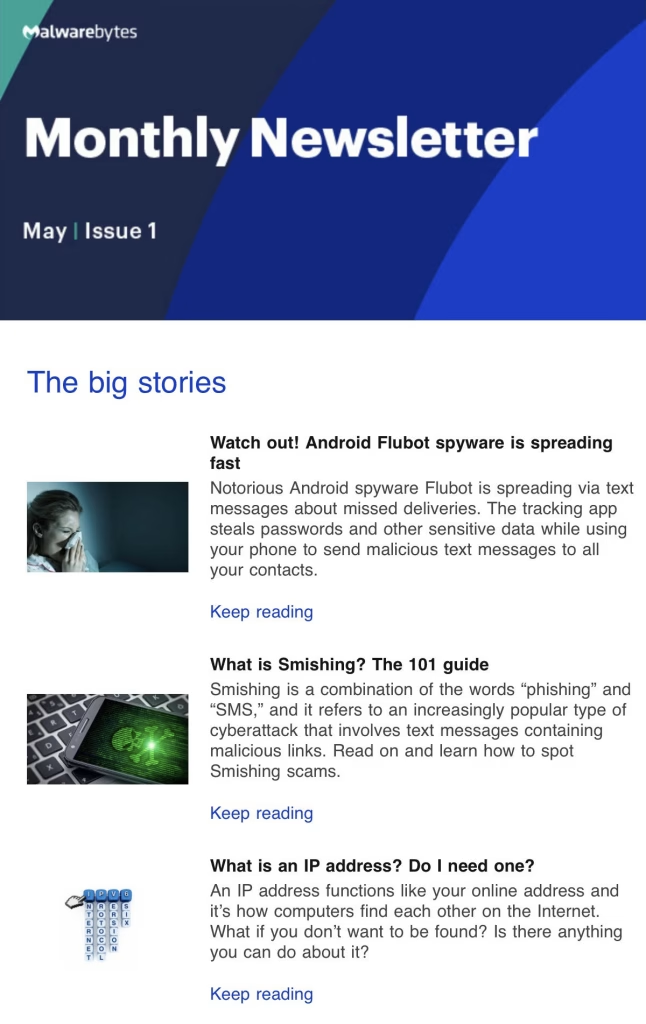
Community or Nonprofit Newsletters
These aim to build a connection and keep supporters informed. Content may include volunteer opportunities, success stories, or upcoming events.
Example: A nonprofit updating donors about the impact of recent fundraising efforts.

Curated Newsletters
Rather than creating original content, curated newsletters collect and share valuable content from around the web, articles, videos, or tools tailored to a specific audience.
Example: A tech newsletter sharing top industry headlines and must-read links each week.
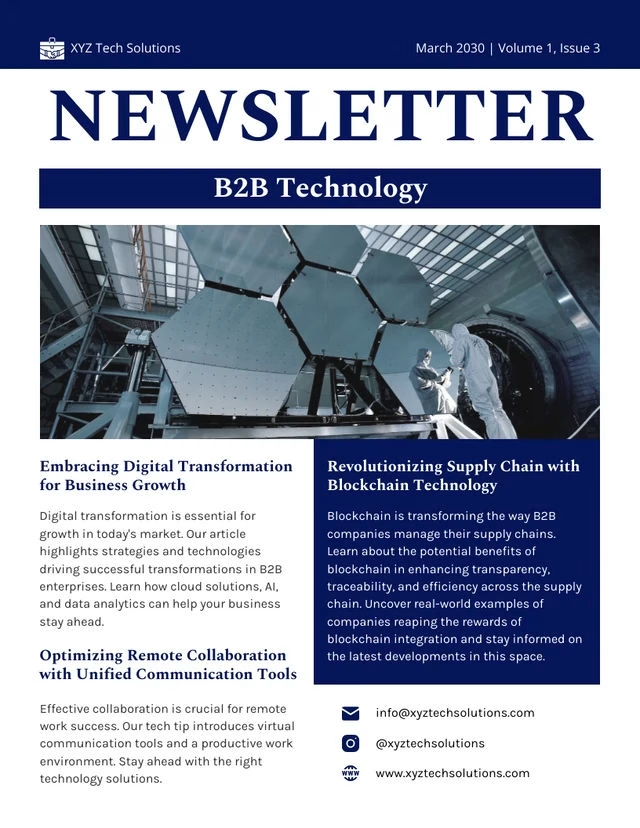
Choosing the right type of newsletter depends on your goals and your audience. Many brands even combine several types to keep things fresh and relevant.
Benefits of Newsletters
Wondering why so many brands, creators, and businesses invest time in sending newsletters? It’s simple: newsletters are one of the most cost-effective and impactful tools for staying connected with your audience.
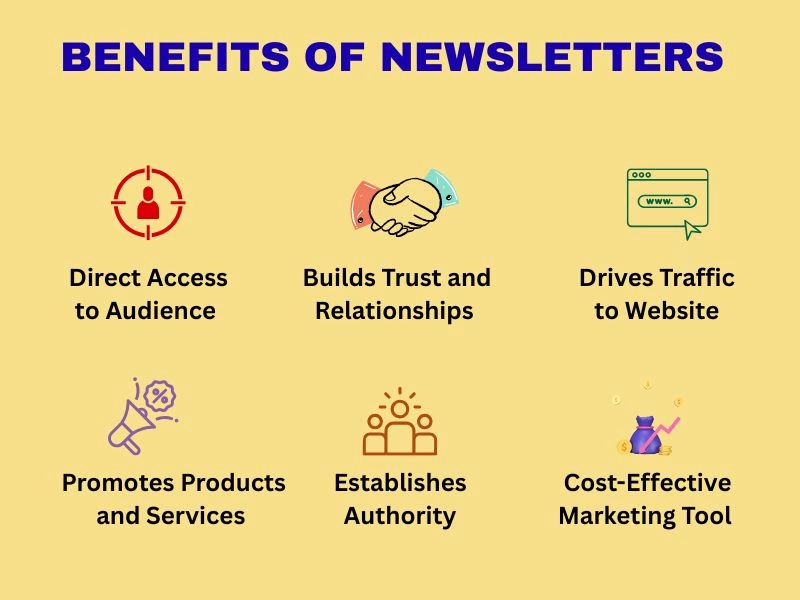
Here are the top newsletter benefits:
Direct Access to Your Audience
Unlike social media platforms, email lets you communicate with people who want to hear from you right in their inbox. There’s no algorithm limiting your reach.
Builds Trust and Relationships
Consistent, valuable communication helps build loyalty. A newsletter keeps your brand top-of-mind and strengthens your relationship with readers over time.
Drives Traffic to Your Website
Whether you’re sharing blog posts, new product pages, or event info, newsletters can guide subscribers directly to your site, boosting engagement and SEO performance.
Promotes Products and Services
Have a new offer, sale, or launch? A newsletter is an ideal channel for timely promotions that drive conversions and sales.
Establishes Authority
Sharing insights, expert tips, or curated industry news positions you as a trusted resource in your field, whether you’re a company or an individual creator.
Cost-Effective Marketing Tool
Compared to paid ads or print campaigns, email newsletters offer a high return on investment (ROI) with relatively low cost.
Supports Audience Segmentation
With email platforms, you can tailor newsletters to different groups, such as new customers, loyal fans, or specific interest groups, making your content more relevant and effective.
Whether you’re building a personal brand, running a startup, or leading a nonprofit, newsletters give you a direct, reliable, and measurable way to connect and grow.
Elements of an Effective Newsletter
A great newsletter isn’t just about what you say, it’s about how you say it. From layout to language, every detail matters when it comes to engaging your readers. Here are the essential newsletter elements that make your content stand out:
- Subject Line
This is the first thing your readers see and your one chance to get them to open the email. It should be clear, intriguing, and aligned with the content inside.
- Header / Branding
Your logo, color scheme, and layout should reflect your branding. A clear, professional header strengthens brand identity and helps readers instantly recognize who the email is from.
- Body Content
This is the core of your newsletter. Keep it focused, useful, and well-organized. Use headings, short paragraphs, bullet points, and visuals to make it scannable.
Good body content = relevant + valuable + well-formatted.
- Call to Action (CTA)
Every newsletter should have a purpose. Whether it’s “Read More,†“Shop Now,†or “Register Today,†your CTA guides readers on what to do next.
- Mobile Optimization
Over 60% of emails are read on mobile devices. Make sure your newsletter is responsive, easy to read, tap, and scroll on any screen.
- Visual Elements
Images, GIFs, buttons, and icons can break up text and enhance engagement—but they should support the message, not distract from it.
- Footer and Contact Info
Always include your company’s contact details, social media links, and an unsubscribe option. This keeps your newsletter compliant and user-friendly.
When all these newsletter elements work together, the result is a clean, engaging, and high-performing communication that keeps your readers coming back.
Conclusion
In a world flooded with fleeting content, newsletters offer something rare: a direct, meaningful connection. Whether you’re sharing insights, promoting products, or building a community, a well-crafted newsletter keeps your audience engaged and coming back for more.
By understanding the types, formats, and best practices, you can create newsletters that not only inform but inspire action. From content ideas to design tips, this guide gives you everything you need to get started. Now it’s your turn: hit send and start building lasting relationships one newsletter at a time.
FAQs
1. What is a newsletter in marketing?
A newsletter is a regular email sent to subscribers with updates, news, or promotions.
2. What are the main types of newsletters?
Informational, promotional, curated, company updates, and educational newsletters.
3. Why are newsletters important for businesses?
They help build relationships, boost engagement, and drive sales.
4. What elements make a good newsletter?
A catchy subject line, engaging content, visuals, and a strong call-to-action.
5. How often should I send newsletters?
It depends on your audience, but weekly or monthly is most effective.





Leave a Comment